Embroiderycharm Regular
A Cozy, Playful Font That Feels Like Hand-Stitched Charm
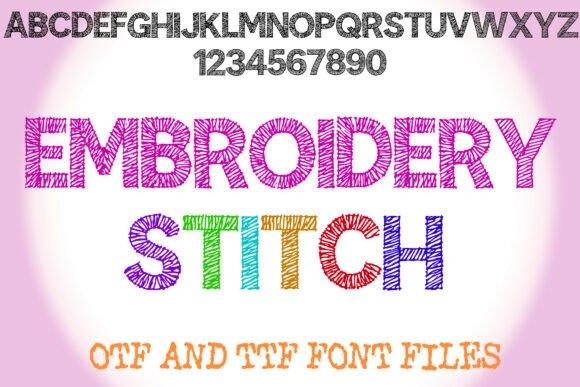
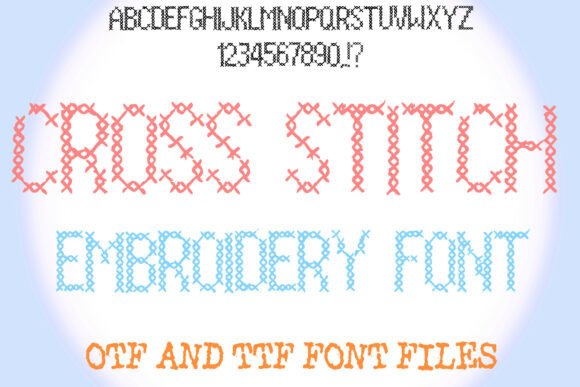
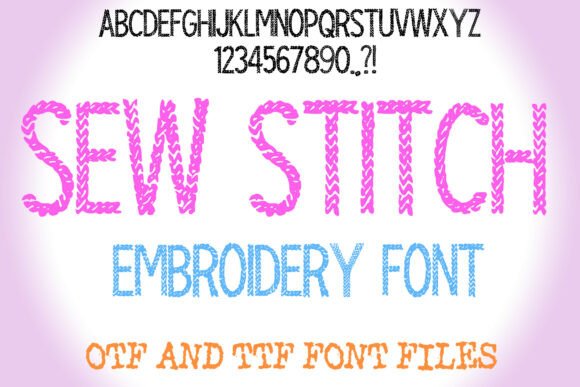
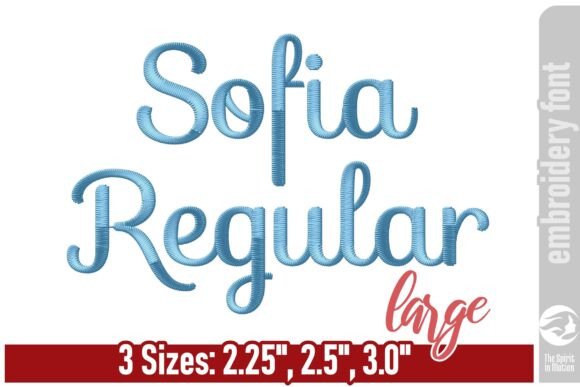
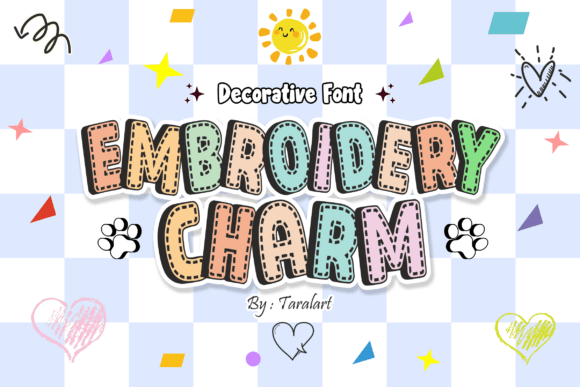
As an embroidery seller who’s shipped over 3,000 custom pieces—from baby onesies to boutique aprons—I immediately paused when I saw Embroiderycharm Regular on Creative Fabrica. The description nails it: “an exquisitely designed cartoon font that brilliantly encapsulates the cozy charm of good old-fashioned stitchwork.” That’s not just marketing fluff—it’s exactly the vibe my best-selling Etsy listings lean into. This isn’t a sleek sans-serif or a formal script. It’s warm, slightly rounded, full of personality, and unmistakably handmade in spirit—even before you stitch it.
Who’s This Font Really For? (Hint: It’s Not Just for Kids)
Embroiderycharm Regular reads as playful, feminine, and gently nostalgic—think cottagecore meets modern craft fair. It’s not overly cutesy, nor is it so minimal it disappears in a thumbnail. Each character has gentle curves, soft terminals, and subtle weight variation that mimics hand-embroidered lettering. That makes it ideal for products where warmth and approachability drive conversions: embroidered tote bags with encouraging phrases (“You’ve Got This”), kitchen towels with herb names (“Thyme & Tenderness”), baby blankets with monograms, and personalized sweatshirts for moms’ groups or teacher appreciation gifts.
It’s also surprisingly versatile across audiences. A small-batch apparel brand could use Embroiderycharm Regular for limited-run camp-style patches (“Wild & Wooly”) or embroidered caps for local bakeries. Boutique home decor sellers might pair it with linen pillow covers featuring seasonal slogans like “Cozy Season Starts Now.” Because it’s labeled Decorative and categorized as a Font, it’s built for expressive, non-functional text—not legal disclaimers or tiny care labels—but that’s precisely where its strength lies.
How It Elevates Real Product Ideas
Let’s talk practical application. I tested Embroiderycharm Regular in mockups for six high-performing Etsy categories—and each time, it added instant appeal:
- Tote bag design: Stitched in ecru thread on natural canvas, it feels artisanal, not mass-produced—perfect for eco-conscious shoppers.
- Sweatshirt embroidery: Paired with a simple heart or star motif, it turns basic fleece into giftable custom apparel.
- Baby embroidery: On organic cotton swaddles, its soft edges read as tender and safe—no sharp angles to distract from newborn sweetness.
- Kitchen towel embroidery: Works beautifully with food-themed words (“Bake Joyfully,” “Simmer Slowly”)—readable at 3” height without crowding.
- Embroidered patch: Clean outlines and moderate stitch density mean it holds up well when ironed or sewn onto denim jackets or backpacks.
- Personalized gift: Monogrammed initials or short names (“Lila,” “Finn”) feel special—not generic—thanks to its distinctive character shapes.
Why Buyers Notice (and Remember) This Font
Online shoppers scroll fast. Embroiderycharm Regular helps your listing stop them—not with loud contrast, but with emotional resonance. Its “cozy charm” translates visually into trust and care. That makes finished products feel more giftable (think birthday, baby shower, teacher thank-you), more professional (even for small shops—because it looks intentionally designed, not clip-art-y), and more memorable in a crowded Etsy search. When used in product photography, it adds texture and story—especially when shot on real fabric with natural light. And because it’s inherently legible at medium sizes, it scales well for social media previews and printable mockups without pixelation or awkward spacing.
Seller Notes You Can’t Skip Before Listing
Before adding Embroiderycharm Regular to your shop, treat it like any new machine embroidery design: test first, then refine. Here’s what I do every time:
- Create a physical stitch-out—on your most common fabric (e.g., medium-weight cotton twill for totes, brushed poly for sweatshirts). Check how the curves hold up and whether letters bleed or pucker.
- Photograph it on real fabric, not just digital mockups. Lighting, thread sheen, and background texture change how “charming” it reads.
- Compare thread color options. Light colors (ivory, oat, blush) enhance its softness; deeper tones (forest green, navy) add quiet sophistication—avoid high-contrast combos unless intentional.
- Check readability at Etsy thumbnail size. Zoom out to 25% in your design software—if “A,” “R,” and “G” blur together, scale up or adjust spacing.
- Review stitch density. Overly dense fills can overwhelm lightweight fabrics or require extra stabilizer—confirm this on the Creative Fabrica product page.
- Confirm hoop size compatibility. If you work mostly with 4×4 hoops, verify the largest word layout fits—or plan for repositioning.
- Double-check Creative Fabrica licensing for commercial embroidery. Since this is a digital embroidery file intended for finished goods, ensure the license explicitly permits resale of stitched items (most Creative Fabrica embroidery files do—but never assume).
Final Thought: A Quiet Upgrade With Real Selling Power
Embroiderycharm Regular won’t replace your go-to clean sans-serif for minimalist branding—but it absolutely earns shelf space next to your best-loved decorative fonts. It’s the kind of detail that makes customers pause, smile, and click “Add to Cart.” For Etsy sellers, craft business owners, and creative entrepreneurs building recognizable style across handmade product lines, it’s more than a font. It’s a consistent tone of voice—stitched, sincere, and quietly confident. Use it intentionally, test it thoroughly, and let its cozy charm do the quiet work of turning casual browsers into loyal buyers.