Embroidery Stitch: A Seasonal Designer’s Review
First Impressions: Cozy, Festive, and Deeply Textural
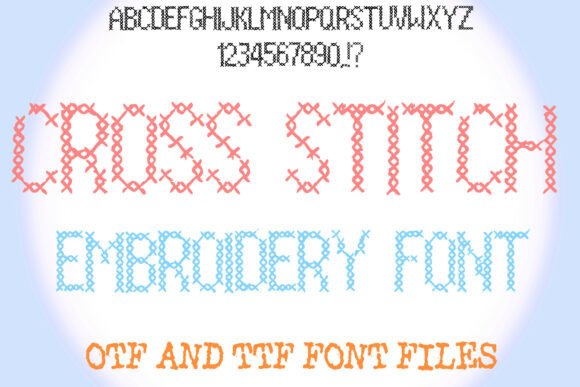
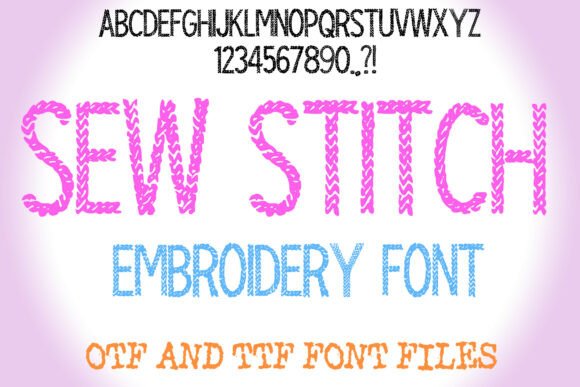
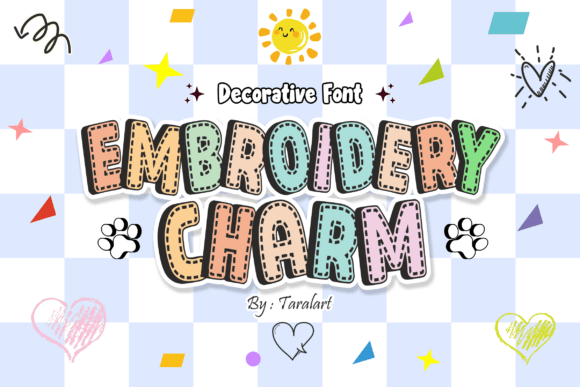
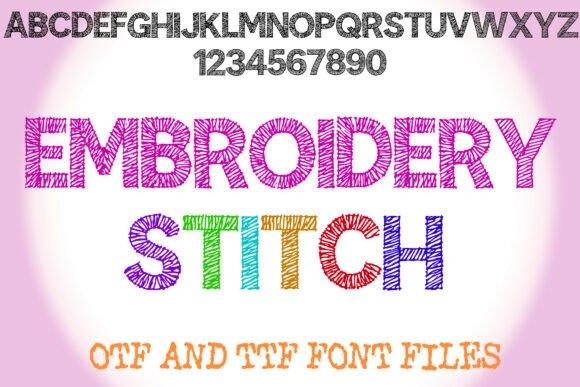
As an embroidery designer who’s built six holiday collections for Etsy sellers and small-batch apparel brands, my first glance at Embroidery Stitch stopped me mid-scroll. It doesn’t just *look* stitched—it breathes the warmth of hand-guided thread: slightly uneven, softly layered, with gentle texture that suggests wool, cotton floss, or even linen-wrapped rayon. This isn’t a sleek digital font—it’s a decorative statement rooted in craft tradition. The mood is instantly cozy and nostalgic, leaning into rustic charm without sacrificing clarity. It reads as festive but not kitschy, elegant but never stiff—ideal for handmade gifts where emotional resonance matters as much as legibility.
Where Embroidery Stitch Shines in Holiday Product Lines
I tested Embroidery Stitch across eight real seasonal product categories—and it delivered strongest on pieces that invite touch and tell a story:
- Sweatshirt embroidery: Paired with tonal thread on heather grey or oatmeal fleece, it creates instant heirloom appeal—perfect for family matching sets or “Grandma’s Kitchen” holiday loungewear.
- Tote bag design: Its tactile rhythm holds up beautifully at 3–4 inches wide, making it ideal for gift-ready market totes (“Joy”, “Gather”, “Merry”) that double as social proof at craft fairs.
- Kitchen towel embroidery: On flour-sack cotton or waffle weave, the stitch-like lines echo traditional cross-stitch samplers—elevating everyday linens into curated holiday hostess gifts.
- Pillow cover and ornament applications benefit most from its soft contrast; no harsh edges distract from the quiet intimacy of a mantel or tree branch.
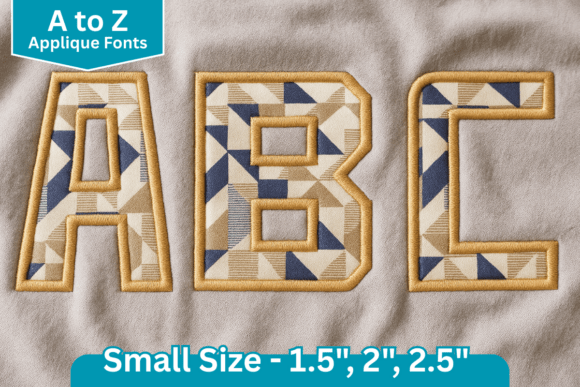
- Embroidered patch versions (cut-and-sew or iron-on) translate seamlessly—especially when paired with vintage-inspired backing fabrics like denim or burlap.
For Etsy sellers, Embroidery Stitch boosts perceived value in listings: customers scroll past generic fonts but pause for texture. In printable mockups and social media previews, it conveys craftsmanship before a single stitch is made—critical during high-intent holiday shopping windows.
Where to Use Embroidery Stitch Thoughtfully
This fonts resource excels in expressive, medium-to-large applications—but demands intentionality in execution:
- Avoid tiny lettering (<5 mm height) or tight curves—stitch density can blur detail on small hoop sizes or stretchy garments like ribbed knits.
- On thick towels or textured fabric, test stabilizer layers first: lightweight cutaway works best to prevent puckering without dulling the thread-style effect.
- Dark fabric requires careful thread color selection—light ecru or oatmeal thread often reads warmer and more authentic than stark white.
- Curved caps or tapered aprons demand digitizing adjustments; the original Embroidery Stitch outlines may need subtle re-spacing to maintain rhythm across contours.
- Repeated washing? Recommend customers avoid heavy agitation—this design’s charm lives in its softness, not industrial durability.
Emotional & Commercial Impact During Peak Season
Holiday shoppers don’t just buy words—they buy feelings. Embroidery Stitch taps into nostalgia, care, and intentionality—key drivers behind personalized gift purchases. When used on baby onesies (“Little Light”), table linens (“Bless This Table”), or keepsake ornaments, it signals thoughtfulness over trend-chasing. That builds trust: customers recognize this isn’t mass-produced clipart. For small shop owners, that distinction lifts average order value—especially in gift bundles where consistency matters. Pair Embroidery Stitch with a simple serif for body text, and your brand gains visual recognition across Instagram carousels, Etsy banners, and printed tags.
Practical Notes from the Hoop Bench
Before launching your next seasonal drop, here’s what I do—and recommend you do—with Embroidery Stitch:
- Test thread colors on both light and dark fabric—a single shade behaves differently across substrates; oatmeal thread on navy reads earthy, while on cream it reads warm and neutral.
- Check stitch density before scaling: dense fills increase run time and thread consumption—adjust underlay or reduce fill % if hooping efficiency is critical for batch production.
- Confirm hoop size compatibility early—some letters extend beyond standard 4×4 boundaries; plan layout spacing accordingly for multi-word phrases.
- Use proper stabilizer: tear-away alone won’t support the layered line work; combine with a light cutaway for stability without stiffness.
- Create realistic mockups using actual fabric swatches—not just white backgrounds—to preview how texture interacts with real-world lighting and folds.
- Review small details after stitching: check for stray jump stitches near terminals or inconsistent thread tension in curved strokes.
- Plan matching color palettes in advance—pull 3–4 thread tones that harmonize with your seasonal palette (e.g., cranberry, pine, oat, charcoal for winter).
- Confirm commercial licensing before selling finished seasonal products—this digital embroidery file must be cleared for resale in physical goods, especially for Etsy or wholesale channels.
Final Thought: A Quiet Standout in a Noisy Season
In a marketplace flooded with glitter fonts and overdesigned monograms, Embroidery Stitch offers something rarer: authenticity with intention. It doesn’t shout—it invites. It doesn’t trend—it endures. For makers building holiday collections rooted in craft, connection, and quiet joy, this decorative font isn’t just another option. It’s a seasonal ally—one that helps turn sweatshirts into heirlooms, towels into traditions, and patches into promises. Just remember: let its texture breathe, honor its scale, and always stitch with the same care your customers feel when they unwrap it.