Embroidery Signature: Timeless Handwritten Charm for Craft Fairs
First Impression: Elegant, Personal, and Instantly Recognizable
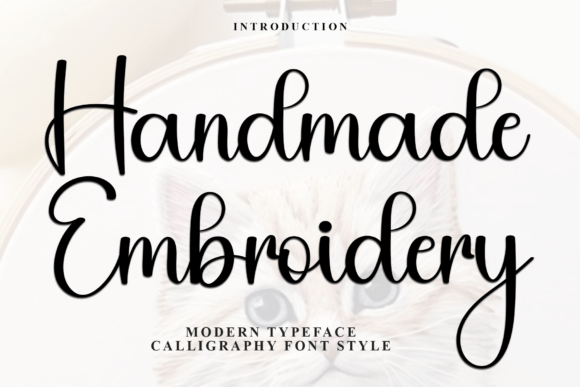
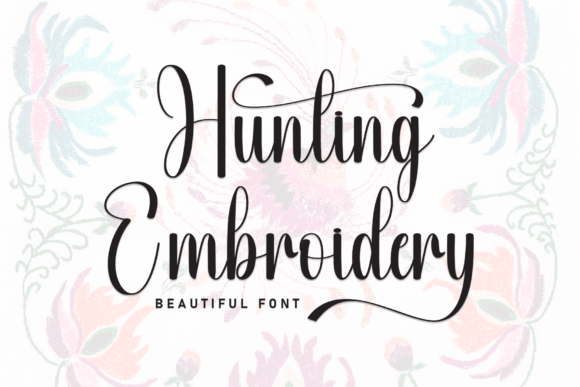
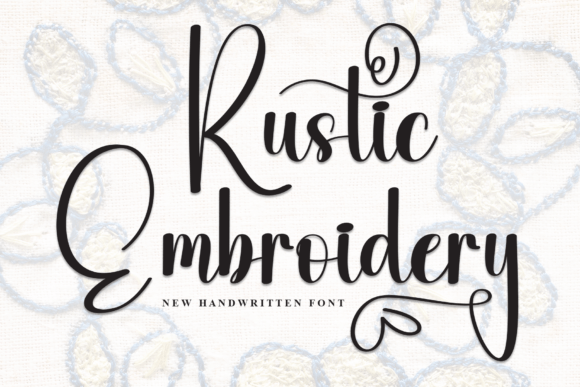
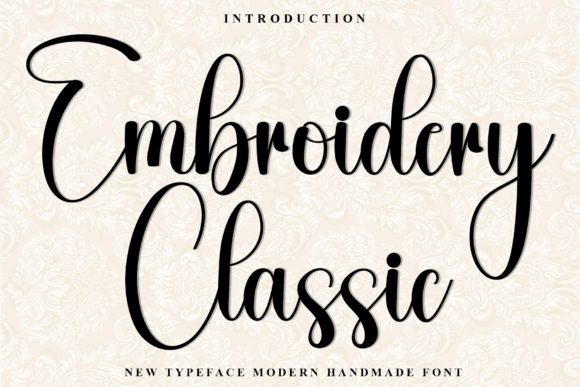
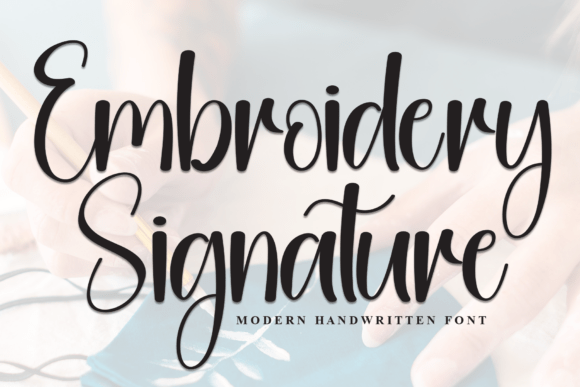
As an embroidery designer who’s set up at over 40 craft fairs—from snowy winter markets to sun-drenched summer pop-ups—I know exactly what stops a customer in their tracks. Embroidery Signature delivers that rare balance: it feels elegant without being stiff, personal without being cutesy, and timeless without fading into the background. Based on its description as a “lovely and timeless handwritten font,” it leans into refined script—think soft flourishes, gentle rhythm, and confident spacing—not playful bounce or rustic scratchiness. It reads as premium, not precious; approachable, not generic. That’s gold for handmade product branding.
Where Embroidery Signature Shines on Real Craft Fair Products
In my booth, Embroidery Signature works hardest on pieces where personality and permanence matter most. On tote bag designs, it transforms a basic canvas into a curated accessory—especially when stitched across the bottom third in navy or charcoal thread. As apron embroidery, it adds quiet sophistication above the pocket, turning functional wear into a signature piece customers photograph and tag. For tea towel embroidery, its fluid lines soften kitchen utility with warmth—ideal for boutique makers pairing linens with ceramic mugs or local honey.
It also elevates smaller items with high perceived value: embroidered patches (perfect for denim jackets or gift tags), slim fabric pouches (great for jewelry or soap), and minimalist pillow covers. Unlike dense decorative fonts, Embroidery Signature doesn’t overwhelm delicate cotton or linen—it breathes. And yes, it photographs beautifully for Etsy seller listings: clean lines translate well to phone screens, and its natural flow makes printable mockups look authentically handmade.
What Holds It Back—And How to Work Around It
Let’s be real: not every surface welcomes script. On curved cap embroidery, tight letter spacing can distort unless you reduce size or adjust placement to the front panel’s flat zone. With thick, napped fabrics like terry cloth or heavy twill, fine entry/exit points may snag—so test stitch density early. And on textured tea towel embroidery, avoid ultra-small sizing: letters under 1.5 inches tall risk blurring in the weave. Dark fabric demands high-contrast thread—cream or pale gold over charcoal reads richer than white, which can gray out.
Embroidery Signature is strongest as a focal element—not a tiny accent. It loses clarity below ~1 inch in height, and tightly spaced words compress detail. If you’re batch-producing small shop products, stick to consistent sizing (e.g., 2.25" wide for totes, 1.75" for pouches) to maintain quality control and speed up hooping.
Why It Builds Booth Appeal—and Buyer Trust
A craft fair isn’t just about selling—it’s about signaling quality at a glance. Embroidery Signature does that instantly. Its unique letterforms communicate care and intentionality. Customers don’t see “font”—they see *handmade*. When stitched on a market bag beside a hand-poured candle or locally printed card, it reinforces cohesive brand energy. That consistency lifts perceived value: a $28 embroidered tea towel feels worth it because the script looks deliberate, not digital. In fact, I’ve watched shoppers pause longer at samples using Embroidery Signature versus bolder sans-serifs—its rhythm invites closer looking, sparking conversation and connection.
Practical Designer Notes Before You Stitch
- Always test the design on scrap fabric matching your final product—especially for texture and drape.
- Check thread contrast under both daylight and booth lighting (LEDs can mute warm tones).
- Review spacing between letters and words—tight kerning may need manual adjustment for legibility.
- Confirm hoop size compatibility before digitizing or purchasing the digital embroidery file.
- Inspect stitch density: too many overlapping satin stitches = puckering on lightweight cotton.
- Use the right stabilizer—cutaway for knits, tear-away for stable wovens, and medium-weight for towels.
- Create at least one real mockup before committing to 50 tote bags—it reveals how light hits curves and edges.
- Compare fabric colors side-by-side: oatmeal linen vs. ivory cotton behaves differently under the same thread.
- Confirm commercial licensing before selling finished products—this is non-negotiable for commercial embroidery use.
Final Thought: A Signature That Sells Itself
Embroidery Signature isn’t flashy—but that’s its strength. In a sea of bold fonts and trendy graphics, it stands out by being quietly confident. It fits seamlessly across Script Handwritten categories while offering versatility no single Fonts pack can match. For Etsy sellers, boutique makers, and weekend craft fair vendors, it’s more than a design asset—it’s a subtle trust signal. When stitched cleanly on a linen apron or heat-pressed patch, it says, *This was made with attention. This was chosen with care.* And in handmade markets, that’s the first stitch toward a sale.