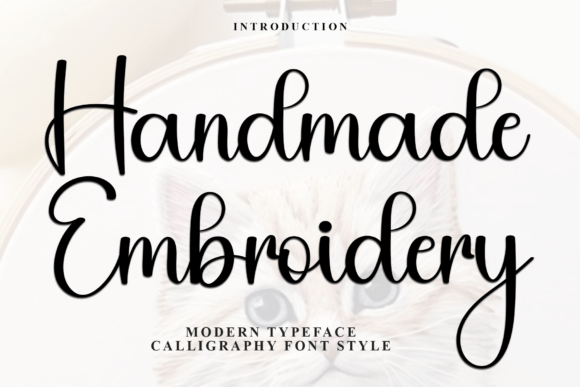
Handmade Embroidery Font Review
First Impression: Warm, Playful, and Instantly Approachable
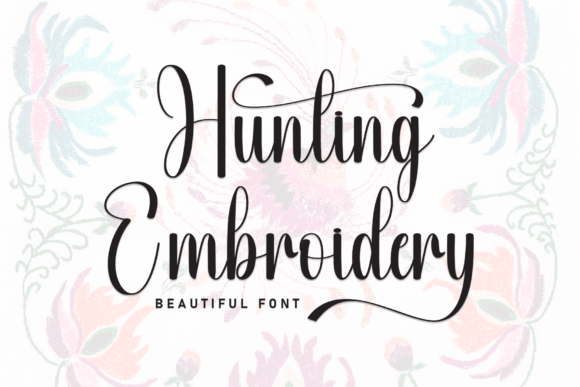
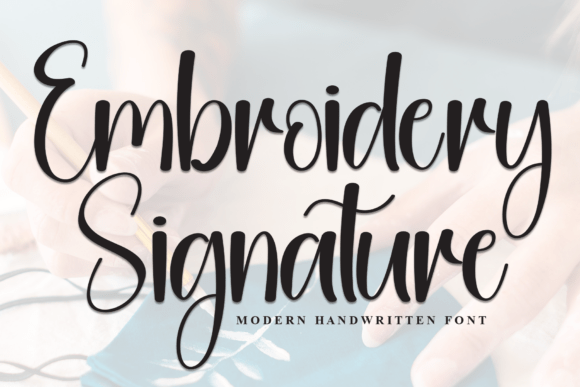
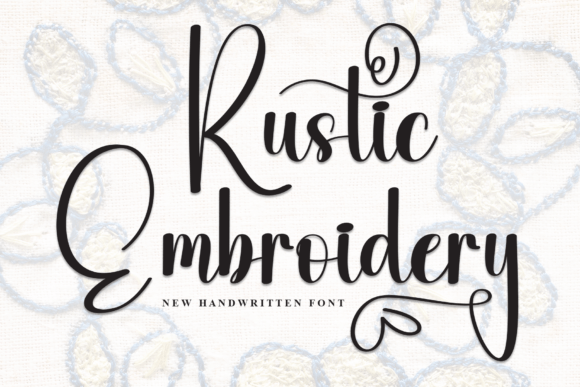
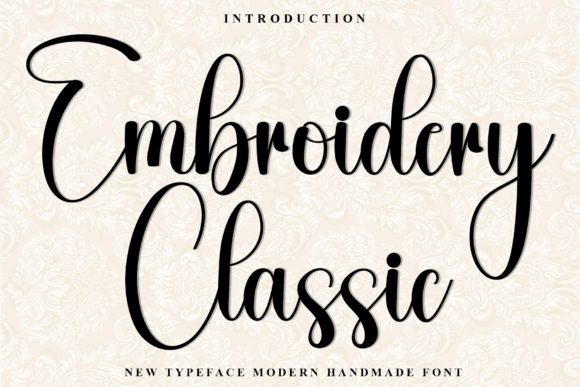
As an embroidery designer who’s stitched over 300 craft fair booths—from snowy Vermont markets to sun-drenched California pop-ups—I know how fast a font must earn attention. Handmade Embroidery delivers that in under two seconds. Its round, soft strokes feel like a friendly wave—not stiff, not fussy, not trying too hard. It lands somewhere between cozy farmhouse charm and modern handmade sincerity. It’s not elegant in a formal sense, nor rustic in a burlap-and-barnwood way—it’s genuinely human: slightly uneven, gently curved, quietly confident. That warmth translates directly to buyer trust—especially for small shop products where authenticity sells.
Where Handmade Embroidery Shines on Craft Fair Products
This Script Handwritten font thrives where personality matters most. On a linen tea towel? Perfect—its relaxed rhythm echoes the softness of hand-pressed fabric. On a canvas tote bag design? Strong visual presence without shouting; customers pause mid-aisle because it feels personal, not mass-produced. As apron embroidery for bakeries or florists? Yes—it adds crafty charm without competing with logos or pockets. For embroidered patches? Ideal for small-batch runs: its open letterforms avoid dense stitch areas, reducing puckering on twill or denim backings.
It also works beautifully on pillow covers and fabric pouches—places where tactile appeal meets quiet storytelling. And unlike ultra-thin scripts that vanish on dark fabric, Handmade Embroidery holds contrast well when paired with rich thread colors like mustard, slate, or deep terracotta. Even on curved cap surfaces, its generous spacing and rounded terminals help maintain legibility—if digitized thoughtfully.
What Holds It Back (And How to Fix It)
Handmade Embroidery isn’t magic—it’s a tool. Its playful nature means tiny details (like fine crossbars or tight loops) can blur at small sizes. Below 1.5 inches tall, some letters may lose clarity—especially on textured towels or thick canvas. That’s critical for tea towel embroidery or market bag labels meant to be read from three feet away. Likewise, dense stitch areas—common in tightly kerned words like “Handmade”—can overwhelm lightweight stabilizer or shift on stretchy knits.
For commercial embroidery, always test the digital embroidery file on scrap fabric first. Check spacing between letters: too tight = thread nesting; too loose = weak visual cohesion. Confirm hoop size compatibility—some versions of Handmade Embroidery may require larger hoops for full-word layouts. And never skip the stabilizer test: medium-weight cutaway works best for structured items like caps and pouches; tear-away is safer for delicate linens.
Photography, Listings, and Online Appeal
Here’s where Handmade Embroidery earns its keep for Etsy sellers and digital crafters. It photographs cleanly—no harsh edges, no optical illusions—and reads instantly in thumbnail previews. That’s gold for printable mockups and social media carousels. Unlike ornate fonts that demand perfect lighting, Handmade Embroidery looks warm and real even in natural booth lighting or phone-camera shots. Pair it with neutral backgrounds (oatmeal linen, unbleached cotton), and your finished product looks intentional—not accidental.
For Etsy listings, use Handmade Embroidery in your banner text *and* as a subtle watermark on product photos. It reinforces brand consistency across your shop while signaling handmade quality. Buyers scanning dozens of small shop products subconsciously associate this script with care, time, and individuality—exactly what they’re paying a premium for.
Production Realities: Batch-Friendly or Booth-Limiting?
Yes—Handmade Embroidery is batch-friendly, but only if you plan ahead. Its consistent stroke weight and moderate curve radius mean fewer digitizing surprises across sizes. You can scale it from 2-inch tote bag designs down to 1-inch tags for handmade gifts—just avoid shrinking below 0.75 inches unless using high-density thread and ultra-fine needles. For craft fair prep, I recommend creating three master sizes: large (for tote bags and pillow covers), medium (for aprons and tea towels), and small (for patches and pouch labels). Save each as a separate embroidery file with clear naming—e.g., “HandmadeEmbroidery_Tote_3in”.
Thread colors matter more than you think. Avoid black-on-black or white-on-cream unless you’re using matte thread—shiny poly can flatten the font’s softness. Stick to muted, earthy tones that support its friendly vibe: olive, rust, charcoal, oat, and faded denim blue all enhance—not distract from—Handmade Embroidery’s character.
Critical Designer Notes Before You Stitch
- Test the embroidery file on scrap fabric matching your final product’s weight and texture.
- Check thread contrast against your base fabric—especially on dark or textured surfaces.
- Review letter spacing manually—auto-kerning rarely honors the organic flow of Script Handwritten fonts.
- Confirm hoop size requirements before loading into your machine—some layouts need 5x7 or larger.
- Inspect stitch density in lowercase “a”, “e”, and “o”—these often trap thread if over-digitized.
- Use appropriate stabilizer: cutaway for caps and pouches, tear-away for tea towels and pillow covers.
- Create at least one real mockup—not just a digital preview—before committing to 50+ units.
- Compare how Handmade Embroidery looks on light vs. dark fabric swatches side-by-side.
- Verify commercial licensing terms—this is essential for selling finished products, not just personal use.
Final Verdict: A Reliable, Human-Centered Workhorse
Handmade Embroidery won’t win awards for avant-garde edge—but it wasn’t built to. It was built for the woman buying a lavender-scented sachet at a Portland makers’ market, the dad choosing a birthday apron for his daughter’s first baking class, the boutique owner refreshing her gift wrap tags. It sells because it feels honest. It produces because it’s forgiving. And it endures because it doesn’t shout—it invites.
For craft fair sellers, Etsy sellers, and small shop owners building real relationships through real objects: Handmade Embroidery is less a font and more a handshake in thread form. Use it with intention, test it with care, and let its warmth do the rest.