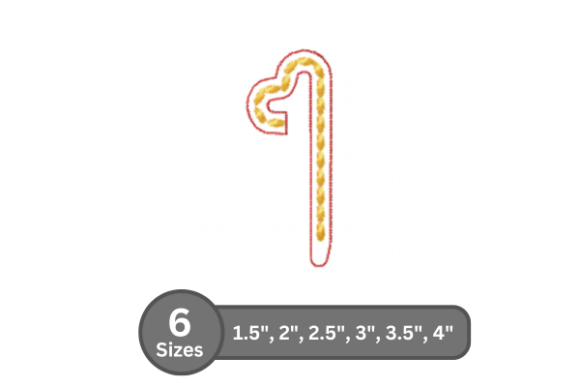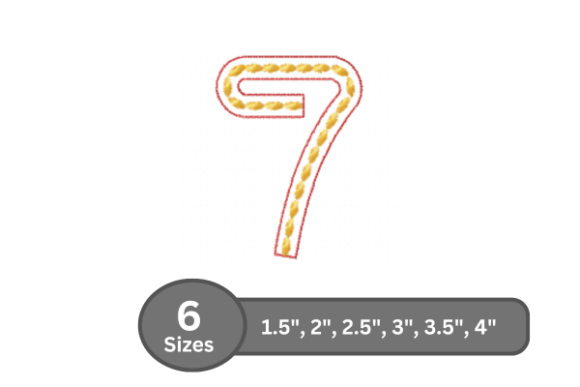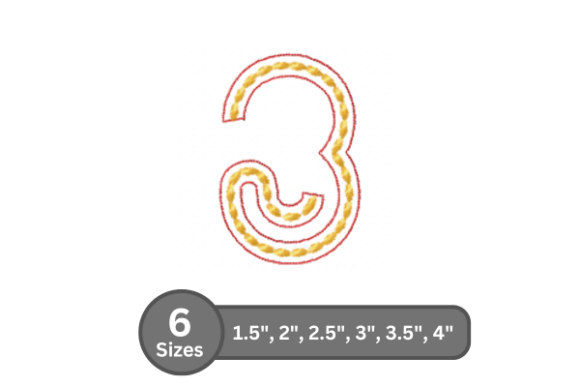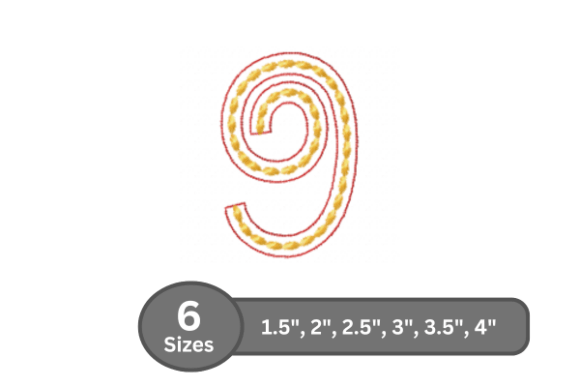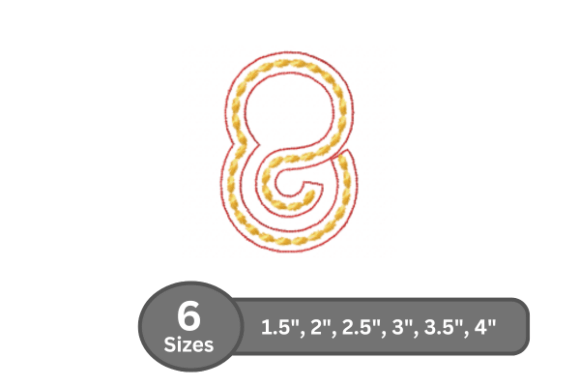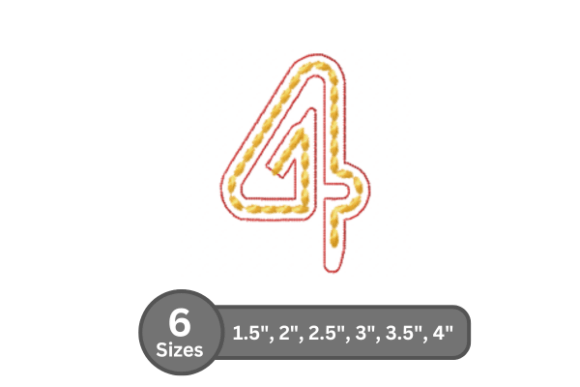
Rope Twist Number -4 Review
A Textured, Confident Choice for Monogrammed Projects
As an embroidery designer who’s digitized and stitched over 300 monogram sets for Etsy sellers, boutique apparel brands, and craft fair vendors, I approached Rope Twist Number -4 with a specific question: does this fill stitch embroidery font hold up—not just on screen, but under needle, on real fabric, in real orders? I tested it across six product types before committing to a client’s baby blanket launch: a linen kitchen towel, a cotton tote bag, a French terry sweatshirt, a curved baseball cap, a muslin pillow cover, and a lightweight baby blanket. What stood out wasn’t just its visual charm—it was how thoughtfully the fill stitch rhythm translated into consistent, clean stitching across varied textures and tensions.
First Impressions: Bold Yet Balanced
Rope Twist Number -4 delivers a tactile, dimensional presence without relying on heavy satin stitch outlines or excessive layering. The rope-inspired twist is subtle—more implied than literal—created through intelligent fill stitch direction changes and gentle density variation. It reads as confident, not aggressive; decorative, not fussy. Unlike many monogram fonts that lean too ornate for small-scale items, Rope Twist Number -4 retains legibility even at 1.2” height—critical when embroidering on apron pockets or cap brims. Its personality fits naturally with handmade goods that value craftsmanship over flash: artisanal kitchen towels, minimalist nursery decor, heritage-style tote bags, and personalized baby gifts.
Real-World Stitching Performance
In practice, Rope Twist Number -4 behaves like a well-trained machine embroidery design—predictable, forgiving, and stable. On dense fabrics like terry cloth and canvas, the fill stitch settled evenly with minimal puckering when paired with medium-weight cutaway stabilizer. On stretchy French terry, I added a light tear-away topper, and the rope texture remained crisp—no skipped stitches or thread nesting in the twist curves. Even on the curved surface of a structured cap, the design maintained integrity; no distortion in the central “4” or loss of definition in the rope wrap effect.
Where some fill stitch fonts struggle—tight corners, overlapping loops, or tiny inner spaces—Rope Twist Number -4 shines. The digitizing avoids unnecessary stitch overlap, keeping stitch density moderate and manageable. That means less thread consumption, smoother needle travel, and cleaner finishes after trimming. For commercial embroidery shops running high-volume orders (think holiday gift totes or wedding party sweatshirts), that reliability translates directly to fewer stops, less rehooping, and more consistent turnaround.
Fabric & Context Considerations
Rope Twist Number -4 performs best on stable to semi-stretch fabrics where texture enhances rather than obscures detail. It sings on natural fibers—cotton, linen, bamboo blends—but requires careful stabilizer selection on ultra-soft knits or loosely woven muslins. On dark fabric, contrast matters: a matte thread like polyester or viscose lifts the rope illusion beautifully; metallics can flatten it. I recommend testing thread colors on scrap fabric first—especially for baby blankets or nursery pillows where softness and safety are non-negotiable.
It’s less ideal for extremely small hoop sizes (<2.5”) unless scaling down to single-digit use only (e.g., a “4” on a baby onesie). For patches or iron-ons, confirm the file includes clean jump stitch placement—Rope Twist Number -4’s continuous fill flow suggests thoughtful digitizing, but always verify on your machine before cutting production runs.
Impact on Your Handmade Product & Brand
This isn’t just about letters—it’s about perception. When customers see Rope Twist Number -4 stitched cleanly on a linen towel or organic cotton tote, they register intentionality. That texture signals handmade care, not mass-produced automation. For Etsy sellers, that nuance boosts perceived value and supports premium pricing. For boutique merchandise or craft fair products, it strengthens brand consistency—especially if you pair it with complementary Creative Fabrica embroidery assets like minimalist borders or botanical motifs.
Photography benefits, too. The rope effect catches light softly, adding dimension in flat-lay shots without requiring complex lighting setups. And because it reads clearly at multiple sizes, it works seamlessly across digital touchpoints: printable mockups for client approvals, social media previews, or packaging labels.
Practical Notes Before You Stitch
- Always test on scrap fabric—match fiber content, weight, and stretch level to your final product.
- Review stitch density before hooping. If your machine flags high-density warnings, check for optional low-density versions or contact the designer.
- Confirm hoop size compatibility. While Rope Twist Number -4 scales well, verify minimum recommended dimensions in the Creative Fabrica embroidery file details.
- Compare light/dark fabric mockups digitally first—then validate with physical thread swatches.
- Use appropriate stabilizer: cutaway for knits and terrycloth, tear-away for stable wovens, and a light topper for textured surfaces.
- Inspect small details post-stitch, especially inside curves and tight loops—trim stray threads carefully to preserve the rope illusion.
- Check licensing terms on the Creative Fabrica product page before selling finished items—especially for commercial embroidery or digital embroidery file resale.
Final Thought: A Reliable Workhorse with Character
Rope Twist Number -4 won’t replace every monogram in your library—but it fills a distinct, valuable niche. It’s the kind of embroidery file you reach for when you need warmth, tactility, and quiet confidence in your custom apparel or personalized gift. It bridges the gap between decorative and functional, between handmade charm and professional polish. For embroidery designers building scalable, repeatable product lines—and for creative entrepreneurs who know their customers choose handmade for meaning, not just monograms—it’s a smart, steady addition to your design assets.