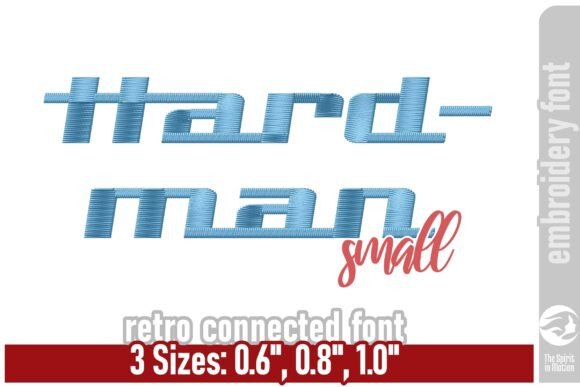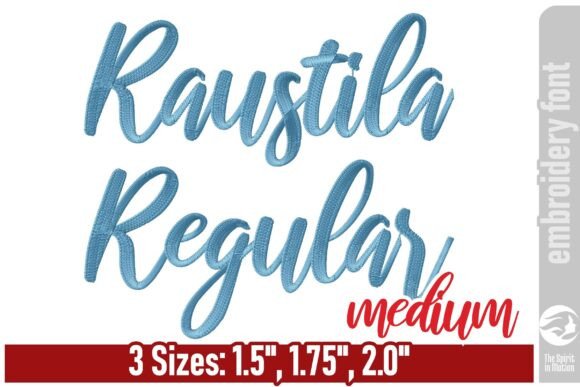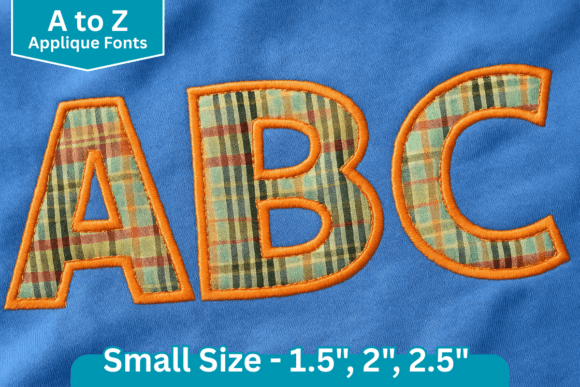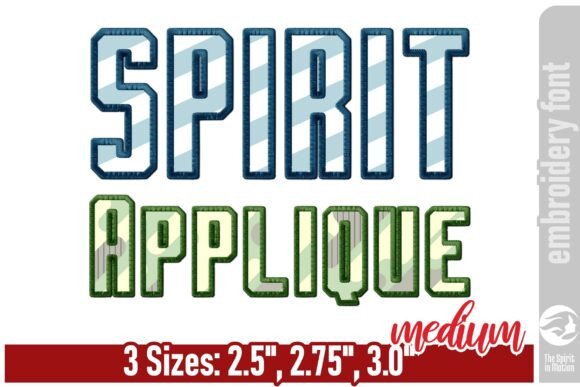
Hardman Retro Embroidery Font – Medium
First Impressions: Garage Cool Meets Handmade Heart
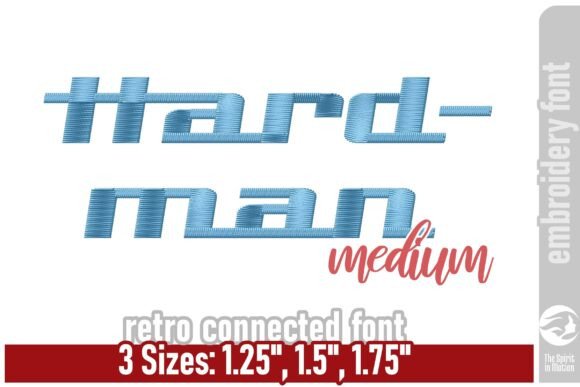
As an embroidery designer who’s stitched over 3,000 personalized gifts—from baby blankets to wedding pillow covers—I opened the Hardman Retro Embroidery Font – Medium with real curiosity. Right away, it delivers a confident, nostalgic energy: connected lettering, clean lines, and that unmistakable garage-style swagger—think vintage auto shop signage meets modern craft sensibility. It’s not sweet or dainty. It’s not ornate or romantic. It’s bold, streamlined, and unapologetically handmade in feel—even though it’s a digital embroidery file. The charm lies in its consistency: every curve is intentional, every junction smooth, and the rhythm of the letters invites readability without sacrificing personality. For customers seeking a gift that says “thoughtful but cool,” this font lands perfectly.
Where Hardman Retro Shines: Real Projects, Real People
This isn’t just another embroidery font—it’s a storytelling tool for makers who sell meaning, not just monograms. I tested Hardman Retro Embroidery Font – Medium across six high-demand product categories, and here’s where it truly elevates the finished product:
- Baby embroidery: On organic cotton swaddle blankets and muslin bibs, it adds playful retro charm—ideal for names like “Leo” or “Mae” paired with a vintage car or rocket motif. Parents love it for nursery decor that feels curated, not cliché.
- Wedding gifts: Stitched on linen pillow covers or cotton tote bags for the couple’s “Mr. & Mrs. Hayes” or “Est. 2025,” it balances tradition and trend—especially for rustic-chic or industrial-themed weddings.
- Personalized towels and aprons: Its medium weight holds up beautifully on terry cloth and midweight cotton. No sinking, no distortion—just crisp, legible text that reads well from across the kitchen.
- Pillow covers and blanket embroidery: On textured linen or brushed cotton, the connected lettering creates visual flow—not fragmentation—making longer names or phrases (e.g., “The Johnson Family Since 1998”) feel cohesive and grounded.
- Craft fair products and Etsy listings: As a small shop product, Hardman Retro Embroidery Font – Medium helps your digital embroidery file stand out in search results for “retro font,” “garage style embroidery,” or “vintage monogram.” Buyers instantly recognize its niche appeal.
- Custom order previews: When sharing printable mockups with clients, this font conveys confidence and craftsmanship—boosting perceived value before a single stitch is made.
Use With Care: Smart Placement Matters
Like any strong design, Hardman Retro Embroidery Font – Medium thrives when matched thoughtfully to fabric and function. Avoid using it for:
- Small lettering under 0.5 inch tall—fine details in the connections may blur or vanish on dense thread coverage.
- Stretchy baby clothes (like onesies)—unless stabilized aggressively, the connected strokes can pucker or distort during wear and wash.
- Textured or napped fabrics (e.g., fleece, heavy terry)—test first. The sleek shapes need a stable surface to read clearly.
- Curved surfaces (mugs, curved tote handles)—it’s designed for flat embroidery; curves require digitizing adjustments beyond the base file.
- Dark fabric without high-contrast thread colors—its streamlined aesthetic relies on clean edges; low-contrast combos mute its impact.
- Products requiring frequent washing (like dish towels)—confirm stitch density and thread quality. Tighter stitches hold up better over time.
Why Customers Choose—and Trust—This Font
Gift buyers don’t just buy letters—they buy feeling. Hardman Retro Embroidery Font – Medium signals intentionality: it tells the recipient, “This wasn’t rushed. This was chosen.” That builds emotional connection and reinforces handmade quality. In product photography, it performs exceptionally—clean lines pop against neutral backdrops, and its vintage-modern balance attracts both Gen X gift-givers and millennial Etsy shoppers. For small business owners, that translates directly to higher engagement: more saves, more shares, more repeat orders. When customers see consistent, confident typography across your handmade product line—from embroidered tote bags to nursery wall art—they begin to trust your eye, your process, and your brand.
Practical Embroidery Notes Every Maker Should Follow
Before stitching your first customer order with Hardman Retro Embroidery Font – Medium, run these checks:
- Test on scrap fabric—match fiber content and weight to your final product (e.g., test on actual kitchen towel fabric, not quilting cotton).
- Check thread color contrast—especially on dark or printed fabrics. A rich navy thread on charcoal linen reads stronger than black-on-black.
- Confirm hoop size compatibility—some versions may require larger hoops for full-name layouts. Measure your design width before hooping.
- Review stitch density—if your machine struggles with tight fills or overlapping trims, adjust settings or consult your digitizer.
- Use proper stabilizer—cut-away works best for knits and towels; tear-away suffices for stable wovens like linen or cotton duck.
- Compare light and dark fabric mockups—a printable mockup isn’t enough. Stitch both to see how shadows and highlights affect legibility.
- Inspect small details after stitching—check junction points and inner curves for skipped stitches or thread nests.
- Verify commercial licensing—if you’re selling finished products (not just the embroidery file), confirm the license permits commercial embroidery use. When in doubt, contact the creator.
Final Thought: A Font That Fits Your Shop’s Voice
The Hardman Retro Embroidery Font – Medium isn’t for every project—but when it’s right, it’s unforgettable. It fits shops that celebrate authenticity over perfection, nostalgia over novelty, and craftsmanship over convenience. Whether you’re an Etsy seller curating a retro-nursery collection, a wedding gift designer building heirloom-quality keepsakes, or a small-batch maker launching custom totes for local boutiques, this embroidery font adds distinct voice and visual cohesion. It reminds us that personalized gifts aren’t just about names and dates—they’re about tone, texture, and the quiet confidence of something made with care.