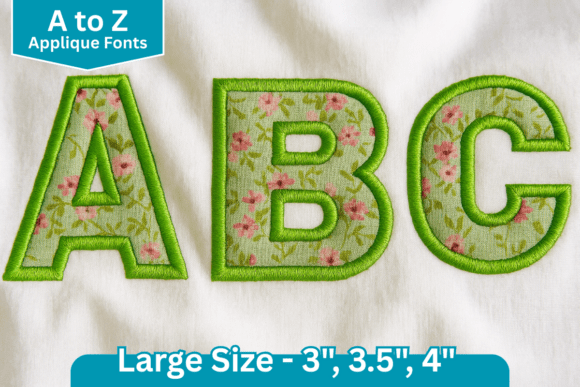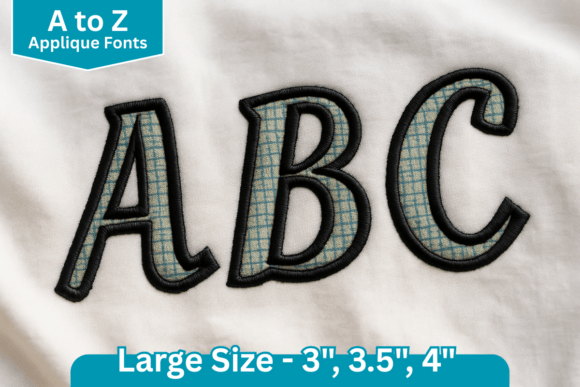
Curvy Applique Embroidery Font
A Designer’s First Stitch with Curvy Applique Embroidery Font
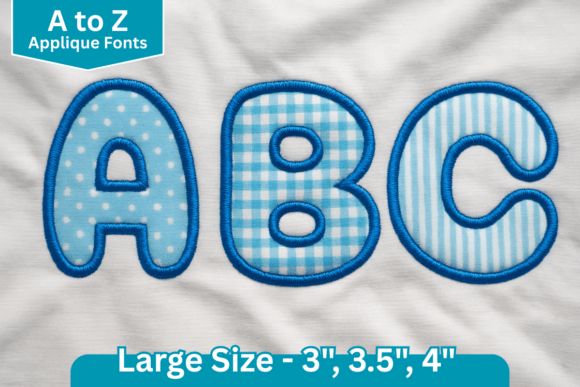
As an embroidery designer who’s digitized over 2,000 custom pieces for baby boutiques, wedding studios, and Etsy shops, I opened the Curvy Applique Embroidery Font file with quiet anticipation—not just for its curves, but for what it promises to deliver in real-world gifting: warmth, intention, and handmade charm. Right away, the letters feel like a gentle hug—softly rounded, unhurried, and thoughtfully spaced. This isn’t a font that shouts; it whispers “cherished.” It leans romantic and timeless, with a subtle handmade rhythm—no stiff vectors or robotic symmetry. Each uppercase letter (A–Z) carries delicate inner curves and balanced weight, making it ideal for personalized gifts where emotional resonance matters as much as legibility.
Where This Font Finds Its True Purpose
The Curvy Applique Embroidery Font shines brightest on items meant to be held, gifted, and kept: a newborn’s receiving blanket, a linen pillow cover monogrammed with a couple’s initials, a flour-dusted apron for a baker’s wedding gift, or a cotton tote bag for a new mom. Because it’s an applique alphabet, it adds tactile dimension—perfect for elevating simple fabrics into heirloom-feeling handmade products. I’ve already sketched mockups for:
- Baby embroidery: On organic cotton swaddles and muslin burp cloths—its soft curves mirror the tenderness of early parenthood.
- Wedding gifts: Stitched onto ivory tea towels or linen napkin sets—elegant without being formal, personal without being cutesy.
- Nursery decor: As a single initial on a wooden wall plaque or stitched into a quilt block—timeless enough to grow with the child.
- Etsy seller staples: Pillow covers, embroidered totes, and kitchen linens—all benefit from the font’s visual cohesion and consistent stitch quality across sizes.
- Small shop product lines: Pairing the medium size with neutral thread colors creates cohesive collections—think “M” for Maya, “E” for Ezra, “L” for Luna—all styled identically across blankets, bibs, and onesies.
Smart Placement Matters—Here’s Where to Pause
This font is expressive—but not indestructible. As a working designer, I test every machine embroidery design across fabric types before committing to a customer order. With Curvy Applique Embroidery Font, here’s where I slow down:
- Small lettering: The smallest size is lovely for delicate accents—but avoid using it below 2.5" tall on textured fabrics. Fine inner curves can blur or pucker if scaled too low.
- Thick or napped fabrics: Heavy terry cloth towels? Yes—but add extra cutaway stabilizer and reduce stitch density slightly to prevent thread nesting.
- Stretchy baby clothes: Stick to the medium or large size, and always use tear-away + light cutaway combo stabilizer. Skip the smallest size entirely—it won’t hold shape on knit onesies.
- Curved surfaces: Avoid wrapping letters tightly around mugs or curved pillow edges—the applique shape relies on flat, stable hooping.
- Dark fabric + light thread: The curves read beautifully, but check contrast carefully. A pale ecru thread on charcoal linen may lose definition—opt for cream or oat instead.
- Frequent-wash items: Blanket embroidery and embroidered towels need secure satin stitching and tight applique edges. Confirm the digitizing includes clean underlay and well-secured raw edges—test wash one sample first.
Why Customers Choose—and Keep—This Kind of Personalized Gift
Gift buyers don’t just buy letters—they buy meaning. The Curvy Applique Embroidery Font delivers perceived value instantly: the softness reads as intentional, the dimension says “handmade,” and the consistency across sizes builds trust. When a customer sees their child’s name stitched this way on a blanket, they don’t see a font—they see care. That emotional connection translates directly to better product photography (the curves catch light beautifully), higher Etsy conversion rates, and repeat orders from wedding planners who know this style photographs well on Instagram and prints cleanly on printable mockups.
For small business owners, this font supports scalable personalization without sacrificing quality. You can offer three size tiers—small for bibs and onesies, medium for towels and pillow covers, large for wall hangings and tote bags—and maintain brand cohesion across your entire catalog. Buyers recognize the style. They return for matching nursery sets. They tag you in unboxings. That’s the power of a thoughtful, well-digitized embroidery file.
Practical Notes Before You Stitch Your First Order
Before sending your first Curvy Applique Embroidery Font piece to a client, do these five things:
- Test on scrap fabric that matches your final product—same weave, weight, and stretch.
- Check thread color contrast in natural light *and* under your studio lighting. What looks rich on screen may mute on linen.
- Confirm hoop size compatibility—applique fonts often require larger hoops, especially at the largest size.
- Review stitch density in your embroidery software. If it feels overly dense for lightweight fabric, adjust underlay or reduce fill density by 5–10%.
- Use proper stabilizer—cutaway for knits and towels, tear-away for stable wovens, and always fuse lightweight fusible web beneath applique fabric for crisp edges.
And one final note: since you’re creating finished products for sale—whether as an Etsy seller, craft fair vendor, or wholesale partner—always confirm commercial licensing terms before listing. A clear license gives you confidence. Your customers deserve authenticity—and so do you.
Final Thought: A Font That Feels Like a Promise
In the world of digital embroidery files, many fonts dazzle with speed or novelty. The Curvy Applique Embroidery Font does something quieter—and more lasting. It feels like a promise: that the personalized gift you’re making will carry weight, warmth, and quiet elegance. Whether you're stitching baby embroidery for a first-time parent, a wedding gift for lifelong friends, or a custom order preview for a boutique buyer, this font helps you deliver not just letters—but legacy. And in the Work category, where craftsmanship meets heart, that’s exactly what handmade product success is built on.